The Unsung Hero of Your Roof: How Proper Attic Ventilation Saves You Money and Extends Roof Life
As a homeowner, you likely think about your roof when you see a loose shingle or after a major storm. But one of the most critical components working to protect your home is one you can't even see from the street: your attic ventilation. It’s the unsung hero of your roofing system, quietly working day and night. A poorly ventilated attic can lead to skyrocketing energy bills, premature roof failure, and costly repairs. For homeowners here in the Cincinnati area, where we experience both sweltering summer humidity and frigid winter ice, a properly functioning ventilation system isn't a luxury—it's essential. At Salire Roofing, we believe in empowering our neighbors with the knowledge to protect their most significant investment. This guide will explain why attic ventilation is so crucial and how to tell if yours is up to the task.
What Exactly is Attic Ventilation?
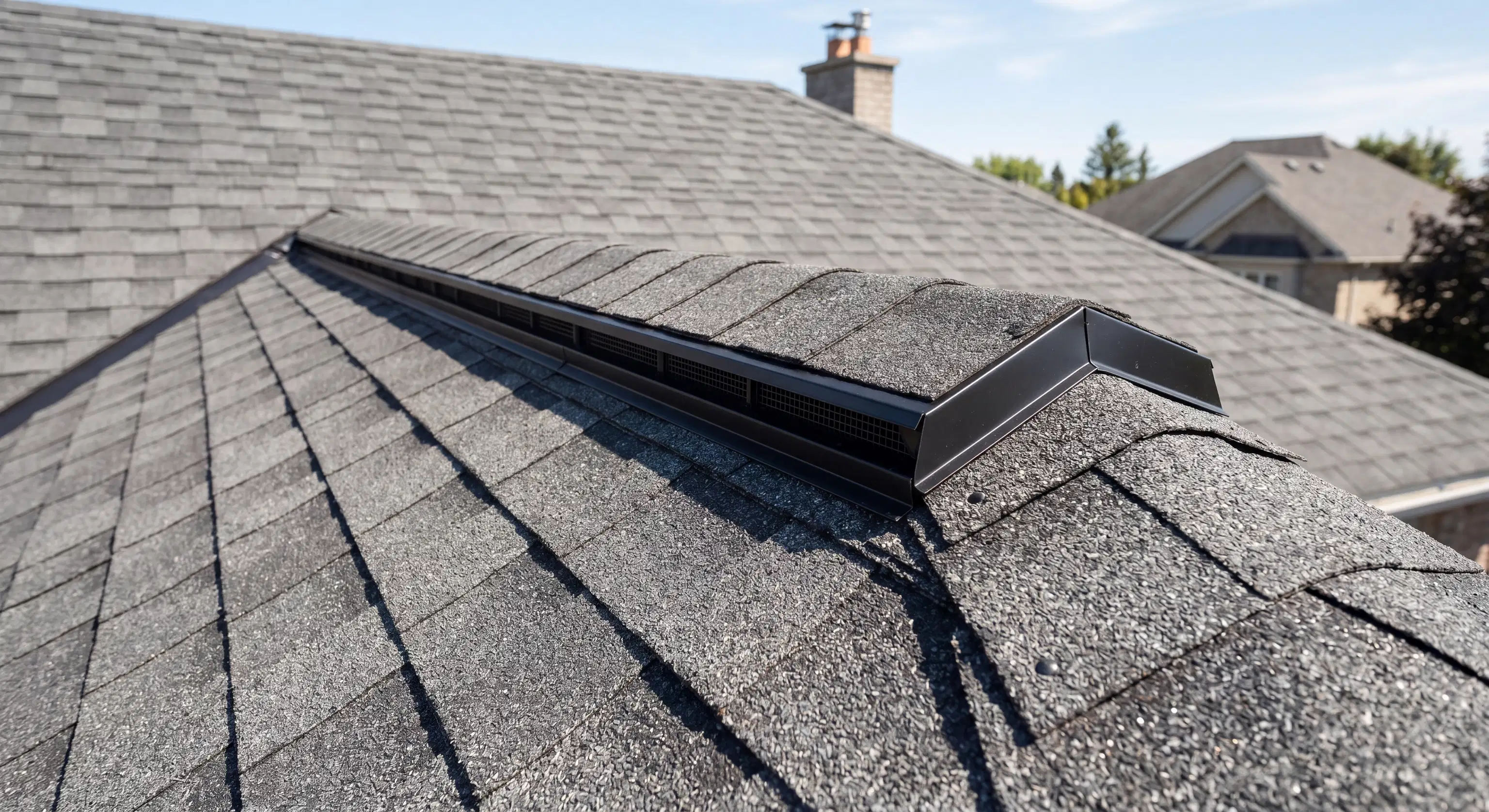
Think of attic ventilation as the respiratory system for your home. In its simplest form, it's a balanced system of intake and exhaust vents that allows air to flow through your attic space. Cool, dry air is drawn in through vents located at the lower part of your roof (like soffit vents), and warm, moist air is pushed out through vents near the peak (like ridge or box vents). This continuous circulation is vital for two main reasons:
- It removes trapped heat. During our hot Cincy summers, the sun can beat down on your roof, causing attic temperatures to soar to 150°F or higher. Without a way to escape, this intense heat bakes your roof's structure and shingles from the inside out.
- It expels moisture. In the winter, warm, moist air from daily activities like cooking and showering rises from your living space into the attic. When this humid air hits the cold underside of your roof deck, it condenses, leading to a host of problems like mold, mildew, and wood rot.
A balanced ventilation system is a key part of a high-quality roofing system, ensuring it lasts its full intended lifespan and effectively protects your home.
Summer Protection: Preventing a Prematurely Aged Roof
That intense, trapped heat in your attic during a Tri-State summer does more than just make your air conditioner work overtime. It actively shortens the life of your asphalt shingles. The extreme heat can cause the shingles' protective granules to loosen and the asphalt to dry out, leading to cracking, curling, and brittleness. Essentially, your roof ages much faster than it should, turning a 25-year roof into a 15-year problem.
Furthermore, this superheated attic space radiates heat downward into your home's living areas, forcing your AC system to run constantly just to keep up. This directly impacts your monthly utility bills. By allowing that hot air to escape, proper ventilation keeps your attic closer to the ambient outdoor temperature, which not only preserves your shingles but can also significantly reduce your summer cooling costs. It’s a win-win for your roof’s health and your wallet.
Winter Defense: The Battle Against Moisture and Ice Dams
While summer heat is a visible enemy, winter moisture is a silent threat. When warm, moist air condenses on the cold surfaces inside your attic, it can saturate the insulation, reducing its effectiveness, and lead to rot in the roof decking and rafters. This creates the perfect environment for mold and mildew to thrive, which can impact your home's air quality.
This trapped heat and moisture also contribute to the formation of ice dams—thick ridges of ice that form along the eaves of your house. Here’s how it happens: heat escaping into the poorly ventilated attic warms the underside of the roof, melting snow. This water runs down to the colder eaves, where it refreezes. This process repeats, building a dam of ice that prevents proper drainage. Water backs up behind the dam, seeping under shingles and into your home, causing significant damage to ceilings, walls, and insulation. If you've already experienced leaks or damage from ice dams, our expert team can help with targeted repairs to secure your home.
Warning Signs of an Under-Ventilated Attic
How can you tell if your attic's ventilation system isn't doing its job? Fortunately, your home often provides clues. Be on the lookout for these common warning signs:
- Curling or cracking shingles: A clear sign that your shingles are being cooked by excessive attic heat.
- Ice dams in winter: The most obvious indicator of a winter ventilation problem.
- High energy bills: If your cooling and heating costs seem unusually high, poor ventilation could be a contributing factor.
- Warm upper floors: Rooms on the top floor of your home feeling stuffy or difficult to cool in the summer.
- Frost inside the attic: In winter, check for frost on the underside of the roof sheathing or on exposed nail heads.
- Damp insulation or wood: Any sign of moisture, mildew, or a musty smell in the attic is a major red flag.
If you notice any of these issues, it's time for a professional assessment. A trained expert can evaluate your current ventilation setup and determine if it's adequate for your home's specific needs.
Protect Your Investment with a Professional Inspection
Your roof is one of the most important and expensive components of your home. Ensuring it has proper attic ventilation is one of the most effective ways to protect that investment and avoid premature, costly replacement. It improves your home's energy efficiency, prevents damaging moisture buildup, and helps your roof last as long as the manufacturer intended.
Don't let a hidden ventilation problem compromise the integrity of your home. If you're concerned about your roof's health or have noticed any of the warning signs, contact the experts at Salire Roofing today. We provide thorough, educational roof inspections for homeowners throughout the Cincinnati community to ensure your entire roofing system is performing at its best. And if a larger project is needed to protect your home, we offer flexible financing options to fit your budget. Schedule your free consultation and let us help you protect your home for years to come.